
When relationships become administration
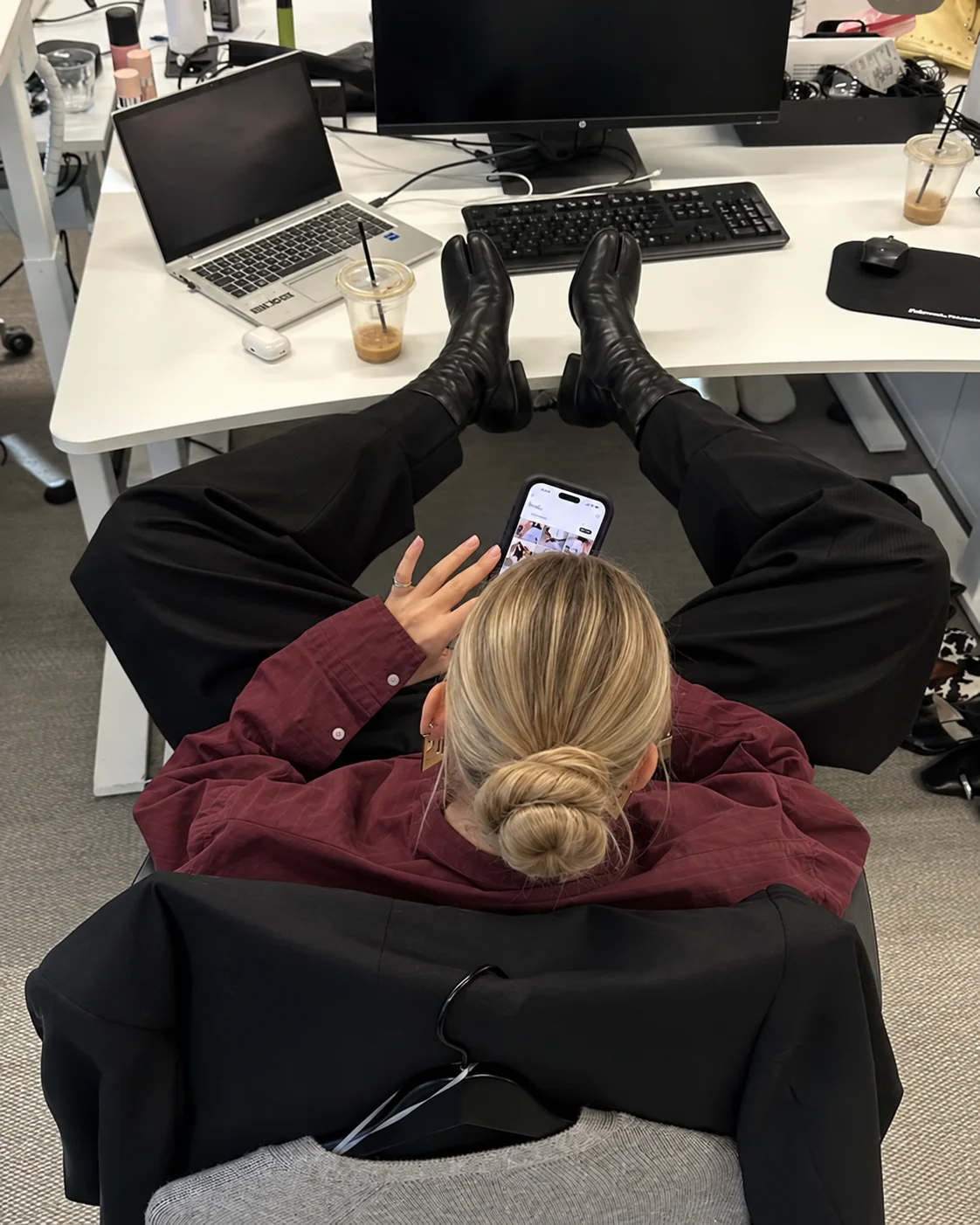
The next campaign needs to be bigger. More creators, more content and clearer results. But how much of an influencer manager’s working day is actually left for developing collaborations?
You open your laptop, planning to find new creators for the next campaign.
First, you just need to follow up with three who haven’t replied. Another needs the brief again. Someone has sent material through a link that no longer works. A colleague asks whether you can use last month’s video in advertising.
Then your manager asks:
“How is the next campaign coming along?”
This is an illustrative working day. But it highlights a question worth asking: how much of the role has become administration?
Someone has to hold everything together
An influencer manager needs to be able to assess creators, understand audiences, negotiate and build trust. The role requires judgement and time for relationships.
At the same time, every collaboration involves many practical steps. Contact details need to be saved. Briefs sent. Deliverables followed up. Material reviewed. Results collected.
When shared routines and tools are missing, the employee becomes the link between everything.
They know that the latest version is in an email, the payment is in a spreadsheet and the creator announced their delay in a DM.
To colleagues, it may look as though the work is running smoothly. And perhaps it is. But it may require far more time and effort than anyone sees.
The fact that someone manages to hold the work together does not automatically mean they have the right conditions to do it.
A tool needs a budget. Manual work takes as long as it takes.
New software has a clear price that needs to be justified.
The time spent searching, copying, reminding and compiling is rarely as visible. It is already included in the salary.
In Microsoft’s 2023 Work Trend Index, 62 percent of respondents said they spend too much time searching for information during their working day. The survey covered 31,000 people in 31 countries and concerns working life in general, not influencer managers specifically.
Microsoft, Work Trend Index 2023
For someone responsible for creator collaborations, the search for information can start with a simple question:
“What did we pay her last time?”
Finding the answer may require someone to search old conversations, compare documents and ask a former colleague.
That is a cost too. It needs to be considered when the company assesses whether a better way of working is worth the investment.
From a manager’s perspective, everything can look quite reasonable
There is someone in charge. Campaigns get published. Material comes in. The report is delivered.
It is understandable, then, that other investments take priority.
But the finished report rarely shows how many manual steps it took to produce it. And the campaign does not show which creator relationships there was never time to develop.
When most of the conversation is about deliverables and deadlines, it is easy to miss how the work itself gets done.
So a useful question at the next check-in could be:
“Which recurring tasks take the most time away from what we hired you to develop?”
The answer provides a concrete basis for prioritising resources.
When the person leaves, context becomes crucial
Imagine a new colleague taking over.
The contacts are still there. So are the folders. But who usually delivers on time? Who needs a clearer brief? Which collaborations went well, and why? What has already been promised for next season?
These things are hard to understand from a contact list.
Personal relationships will always be an important part of influencer marketing. Shared documentation makes it easier for the next person to keep nurturing them.
In The State of Creator Marketing 2025–2026, CreatorIQ highlights the need to bring creator data together and treat it as a strategic asset. The report is based on a survey conducted with Sapio Research among 1,723 respondents from brands, agencies and creators.
CreatorIQ, The State of Creator Marketing 2025–2026
Our conclusion is that every campaign should leave behind knowledge that others can use: about the creators, the content, the agreements and the results.
That gives the next employee something to build on.
The right support starts with understanding everyday work
A new system does not automatically resolve a pressured working situation. There needs to be time to use it, clear routines and reasonable expectations of the role.
Start by walking through a typical campaign together.
Where are contacts saved? How are deliverables followed up? Where are the agreements? How does a colleague find the right material? Which tasks have to be repeated manually every time?
It quickly becomes clear where support is needed.
For a smaller programme, simple tools and shared routines can go a long way. As the number of collaborations grows, the conditions for doing the work need to keep pace.
The employee needs to be able to apply their expertise where it makes the most difference. The manager needs to be able to see what it takes for that to happen.
You have already invested in the person. Give them room to succeed, too.
How does your team work?
If each new campaign brings more manual work, it may be worth reviewing how you manage your collaborations. Here is how BOOSTIFIED—Pay works for brands and agencies.
Explore BOOSTIFIED—Pay for brands and agencies
Sources: Microsoft, Work Trend Index 2023; CreatorIQ, The State of Creator Marketing 2025–2026. Both are vendor-funded surveys. The everyday examples are illustrative and do not describe any particular company’s way of working.